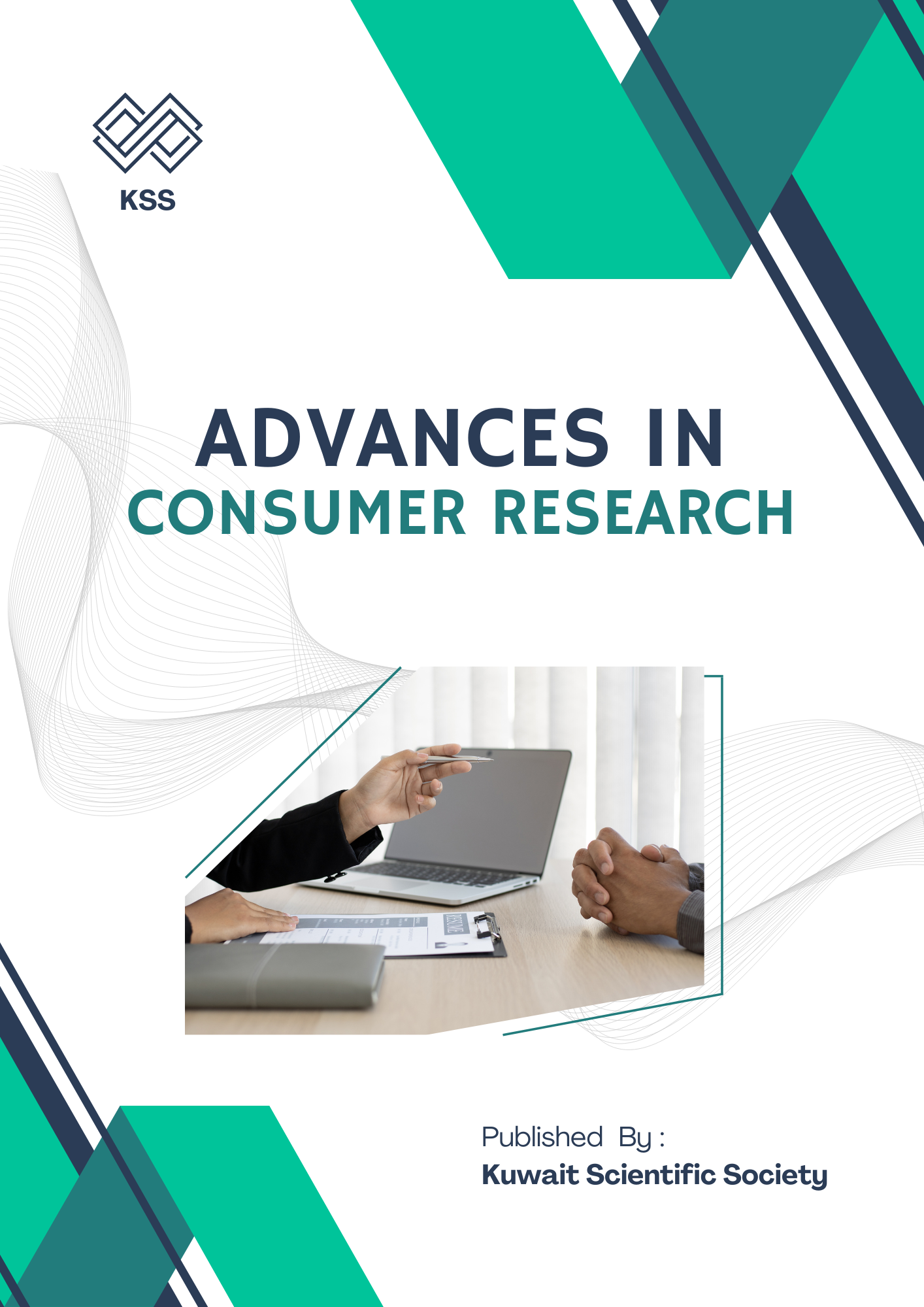





Generation Z has grown up in a digitally connected environment and is increasingly familiar with flexible, interactive, and technology-enabled learning approaches. As the contemporary workplace becomes increasingly dynamic and characterised by Volatility, Uncertainty, Complexity, and Ambiguity (VUCA), conventional classroom-based education may not adequately develop the competencies required for successful employment. Experiential learning provides a practical approach by enabling students to connect theoretical concepts with real-world situations through active participation, reflection, and application. This approach can strengthen practical knowledge while developing adaptability, communication, teamwork, critical thinking, problem-solving, and career-readiness skills. Generation Z’s preference for learning by doing makes experiential learning particularly relevant to their academic and professional development. This study investigates the contribution of experiential learning to skill development and its role in enhancing employability and career readiness among Generation Z. The study considers experiential learning practices, including internships, live projects, case studies, industry interactions, fieldwork, simulations, and project-based learning, which provide opportunities for students to gain practical exposure and understand workplace expectations. It further examines the gap between academic learning and the practical requirements of the modern workplace, particularly the challenges of translating acquired knowledge and competencies into professional settings. Effective learning transfer may be influenced by student motivation, authentic performance-based assessment, industry engagement, and the integration of emerging technologies such as Artificial Intelligence (AI), Augmented Reality (AR), and Virtual Reality (VR). The study emphasises experiential learning as a means of strengthening employability competencies and supporting Generation Z's transition from higher education to professional careers

 Download
 Download XML